Schools
ICAR-Indian Agricultural Research Institute, Assam
Dirpai Chapori, Gogamukh, Dhemaji – 787035
Overview
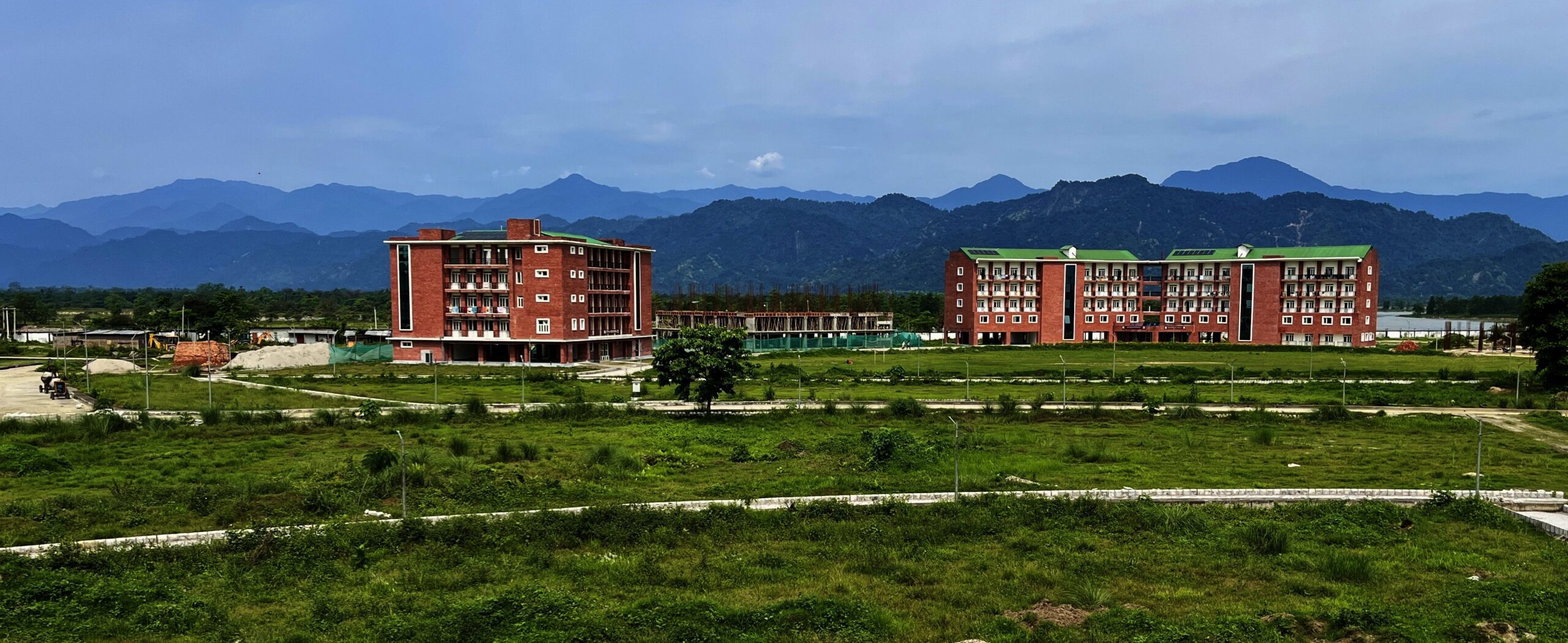
The academic and research activities of ICAR-IARI Assam are organised through three Schools, each designed around a distinct domain of agricultural science. This structure enables the institute to conduct both focused and interdisciplinary research while offering students a comprehensive education across the full breadth of agricultural sciences.
School of Crop Science
School of Natural Resource Management
School of Animal, Poultry and Fishery sciences
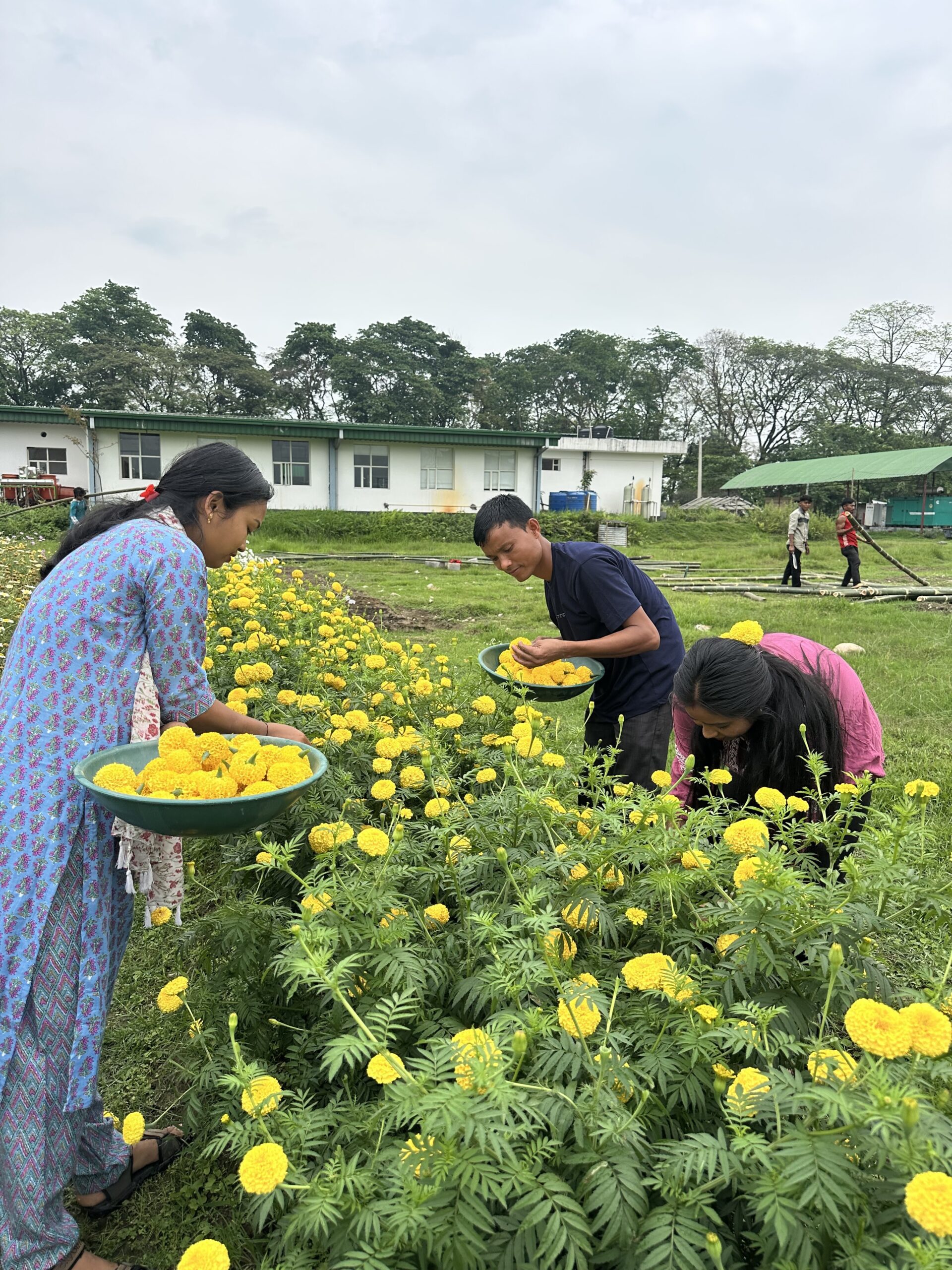
Crop Improvement, Horticulture & Plant Protection
1. School of Crop Science
The School of Crop Improvement works on enhancing the productivity, quality, and resilience of crops grown across North-East India, with a focus on developing varieties and technologies suited to the region's specific soil types, climate, and farming systems — particularly alluvial and acidic soils, rainfed lowlands, and flood-prone ecosystems.
Mandated Research Projects (as per EFC 2021–26)
Project 1: Genetic Improvement of Field Crops for Productivity and Climate Resilience
- Enhancing productivity of indigenous rice genotypes with specialty traits
- Development of climate-resilient rice genotypes suitable for rainfed and flood-prone lowlands
- Breeding climate-resilient, short-duration rapeseed/mustard varieties for rice fallows
- Breeding pulses and buckwheat for utilisation of rice fallows
- Development of rice/rabi maize hybrids for improved yield and disease resistance
- Pre-breeding in rice for tolerance to biotic and abiotic stresses
Project 2: Improvement of Cultivated and Underutilized Horticultural Crops of North-East Region
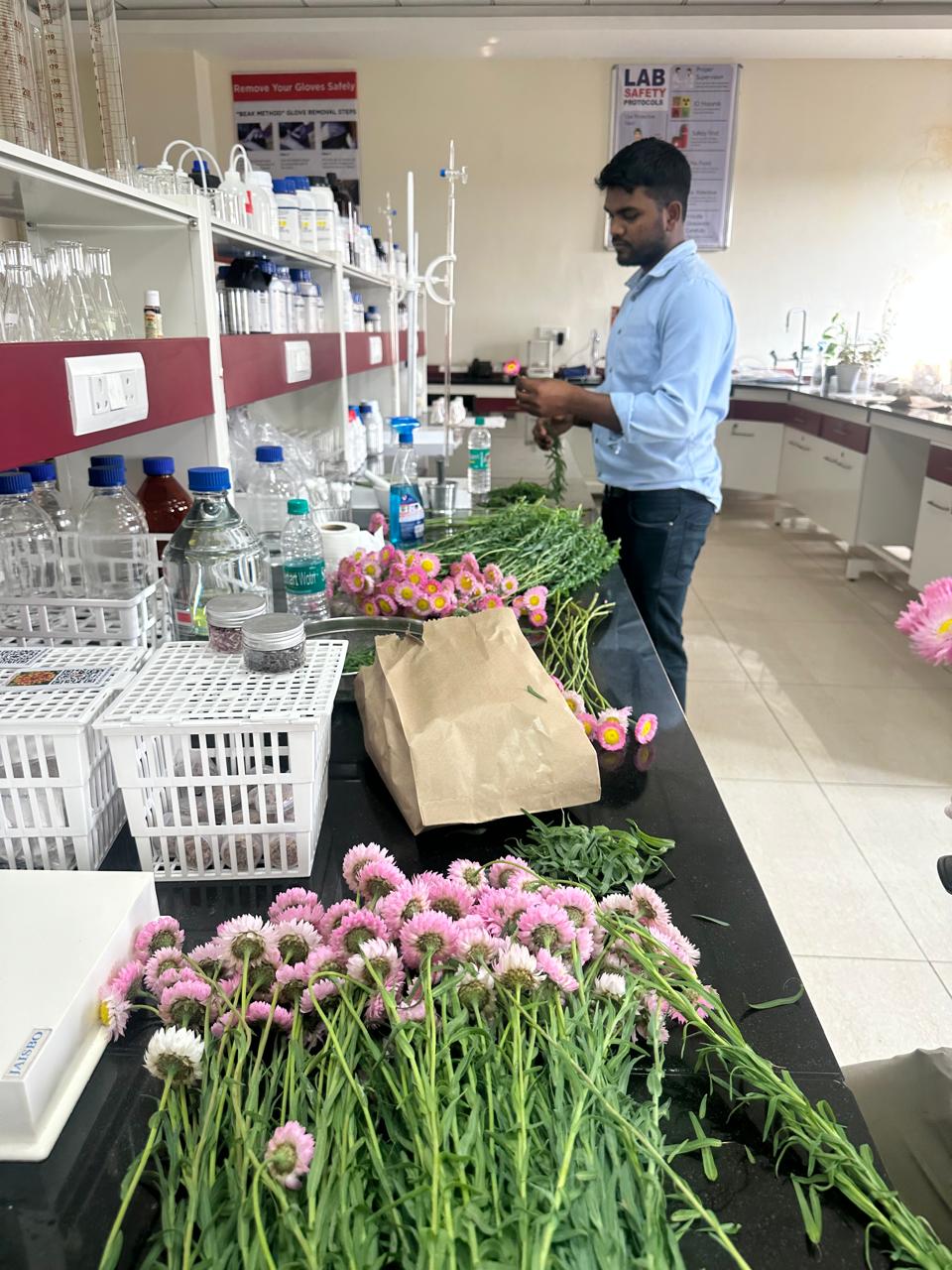
- Collection, evaluation, conservation, and improvement of cultivated, indigenous, and underutilised horticultural crops of the NE region
- Develop and refine sustainable production and protection technologies for horticultural crops of the NE region
- Develop appropriate post-harvest management protocols for horticultural crops to reduce losses, improve marketing, and enable product diversification
- Generate wealth from waste and by-products of horticultural crops through value addition and processing
- Design, develop, and refine process and equipment to reduce drudgery in production and processing of horticultural crops of the NE region
Project 3: Pest and Disease Management Strategies for Major Crops
- Bionomics and epidemiology of insect-pests, nematodes, and pathogens and their natural enemies in lowland rice ecosystem
- Development of integrated pest management module for major crops in multidisciplinary mode
- Diagnostics and management of important diseases prevalent in the North-Eastern states
- Identification and formulation of agrochemicals of natural origin for efficient crop protection
Soil, Water, Land & Biodiversity
2. School of Natural Resource Management
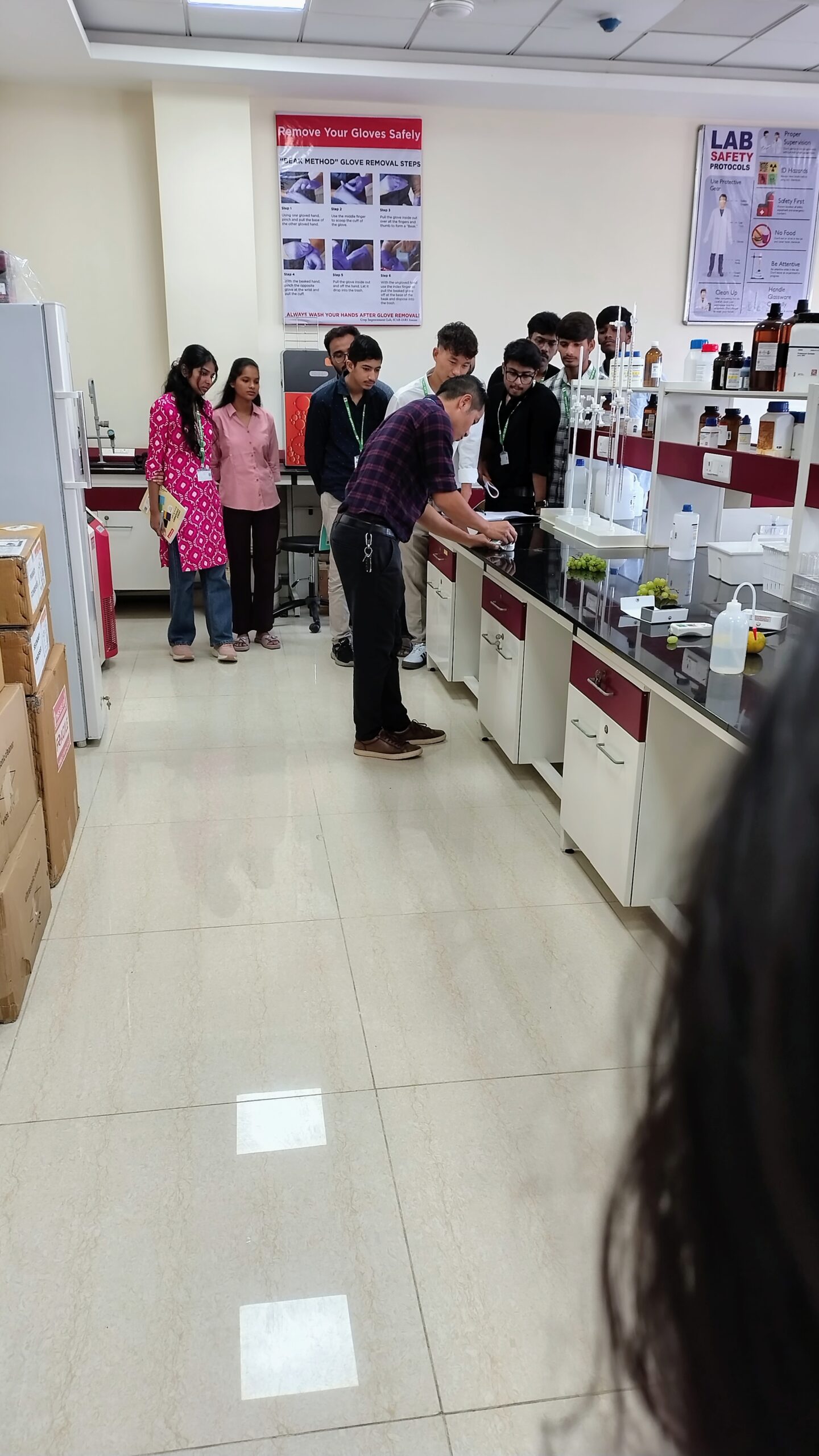
The School of Natural Resource Management focuses on the sustainable management of land, water, soil, and biological resources — challenges that are especially critical in North-East India, where complex terrain, seasonal flooding, diverse land-use systems, and rapidly changing climate make resource management both urgent and difficult.
Mandated Research Projects (as per EFC 2021–26)
Project 4: Development of Sustainable Crop Production Strategy for Enhancing Natural Resource Use Efficiency in Rainfed Ecosystem
- Enhancing productivity of indigenous rice genotypes with specialty traits
- Development of climate-resilient rice genotypes suitable for rainfed and flood-prone lowlands
- Breeding climate-resilient, short-duration rapeseed/mustard varieties for rice fallows
- Breeding pulses and buckwheat for utilisation of rice fallows
- Development of rice/rabi maize hybrids for improved yield and disease resistance
- Pre-breeding in rice for tolerance to biotic and abiotic stresses
Project 5: Improving Soil Health for Enhancing Input Use Efficiency and Productivity
- Collection, evaluation, conservation, and improvement of cultivated, indigenous, and underutilised horticultural crops of the NE region
- Develop and refine sustainable production and protection technologies for horticultural crops of the NE region
- Develop appropriate post-harvest management protocols for horticultural crops to reduce losses, improve marketing, and enable product diversification
- Generate wealth from waste and by-products of horticultural crops through value addition and processing
- Design, develop, and refine process and equipment to reduce drudgery in production and processing of horticultural crops of the NE region
Project 6: Assessment, Conservation and Utilisation of Water Resources for Enhancing Agriculture Production in Dry Season
- Bionomics and epidemiology of insect-pests, nematodes, and pathogens and their natural enemies in lowland rice ecosystem
- Development of integrated pest management module for major crops in multidisciplinary mode
- Diagnostics and management of important diseases prevalent in the North-Eastern states
- Identification and formulation of agrochemicals of natural origin for efficient crop protection
Project 6: Assessment, Conservation and Utilisation of Water Resources for Enhancing Agriculture Production in Dry Season
- Bionomics and epidemiology of insect-pests, nematodes, and pathogens and their natural enemies in lowland rice ecosystem
- Development of integrated pest management module for major crops in multidisciplinary mode
- Diagnostics and management of important diseases prevalent in the North-Eastern states
- Identification and formulation of agrochemicals of natural origin for efficient crop protection
Livestock, Fisheries, Piggery & Poultry
3. School of Animal, Poultry and Fishery sciences
This School works on the animal and aquatic dimensions of the farming systems of North-East India. Fish farming, piggery, poultry, and livestock form critical livelihoods for communities across the region, and this School's research directly addresses productivity, health, genetic improvement, and sustainable livelihood opportunities in these sectors.
Mandated Research Projects (as per EFC 2021–26)
Project 7: Characterisation of Indigenous Animal/Fish Resources and Livelihood Improvement through Animal/Fish Integrated Farming System
- Enhancing productivity of indigenous rice genotypes with specialty traits
- Development of climate-resilient rice genotypes suitable for rainfed and flood-prone lowlands
- Breeding climate-resilient, short-duration rapeseed/mustard varieties for rice fallows
- Breeding pulses and buckwheat for utilisation of rice fallows
- Development of rice/rabi maize hybrids for improved yield and disease resistance
- Pre-breeding in rice for tolerance to biotic and abiotic stresses